
When the Muse Picks Up the Brush: Suzanne Valadon’s Visual Rebellion
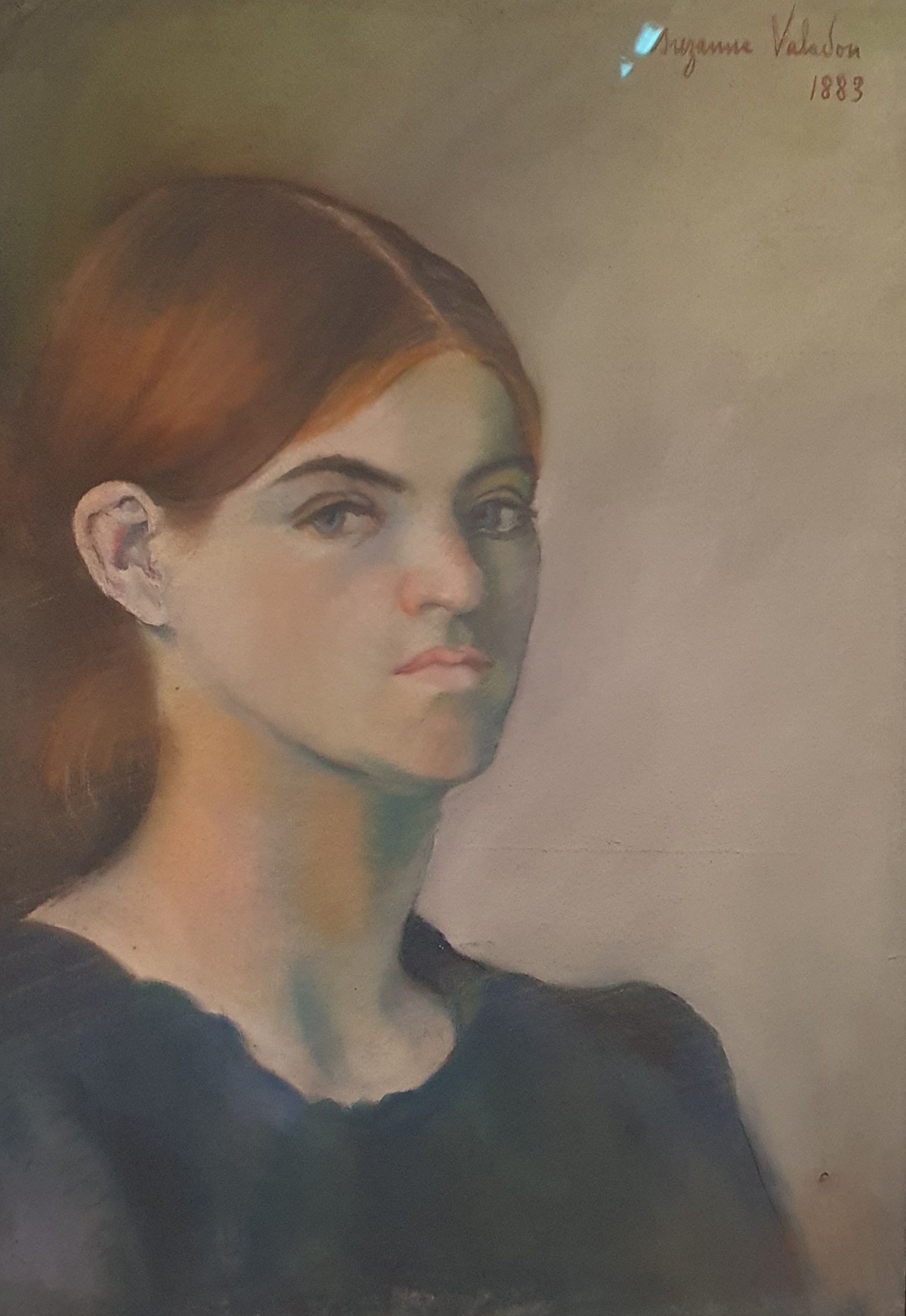
In a world where women were on the canvas but rarely in front, Suzanne Valadon (born in 1865) picked up the brush and changed the frame. Once a model for famous artists like Renoir and Toulouse-Lautrec, she became a self-taught painter whose bold, grounded, and unapologetically human images challenged conventions of femininity, beauty, and artistic authority. Valadon’s visual language communicated far more than color and form—it expressed resistance, independence, and truth.
As a working-class woman in Montmartre, which is the epicenter parisian artistic life at that time, she will quickly be recognize as a perfect model. But Valadon won’t remain in the frame for long—she learned by watching, sketching, absorbing. Eventually, she reversed the gaze, stepping behind the canvas to create images on her own terms.
Unlike the idealized female forms of the academic tradition, Valadon’s female nudes are earthy, muscular, and real. She painted aging bodies, unposed gestures, and unromantic domestic moments. Her figures do not perform beauty—they exist.
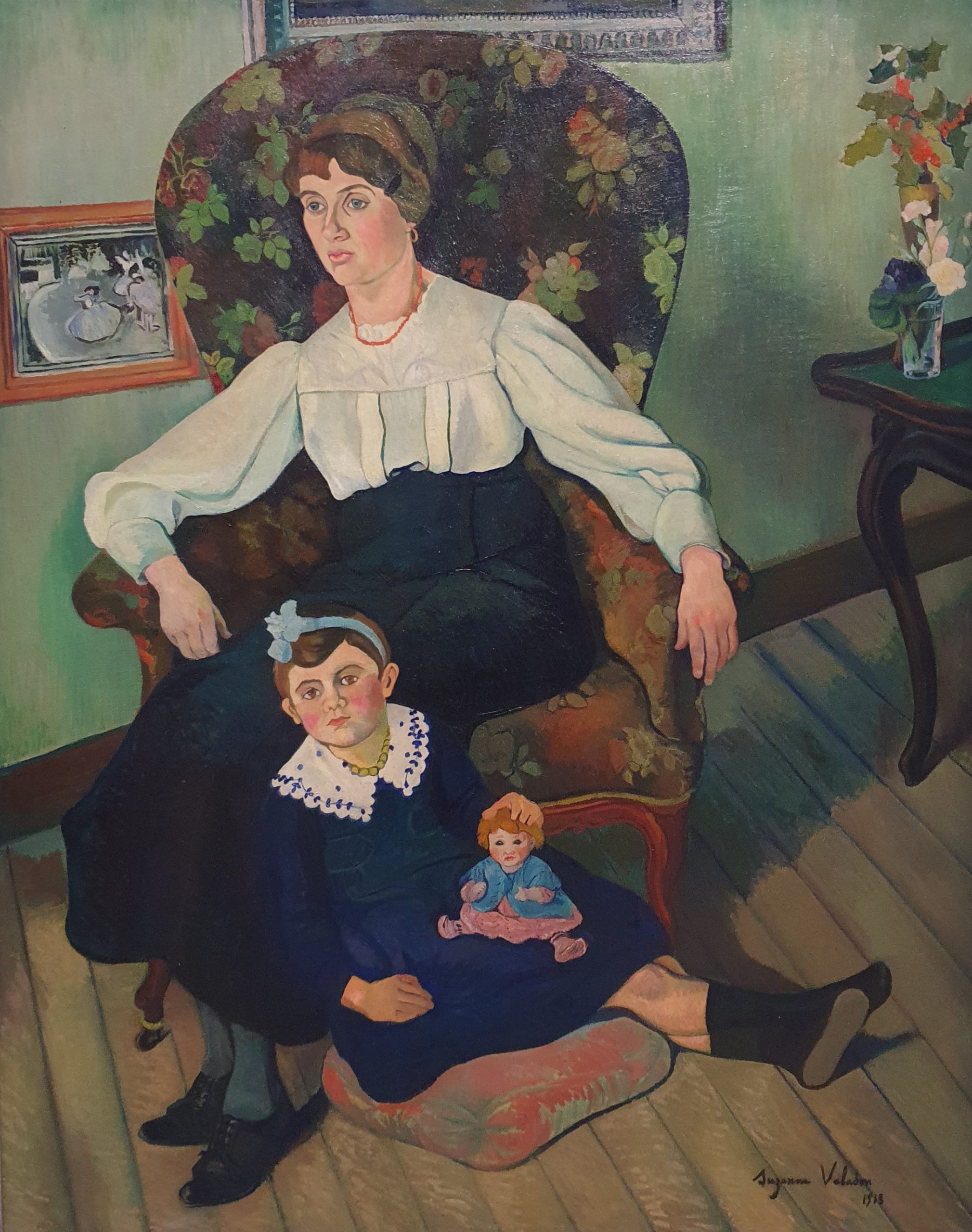
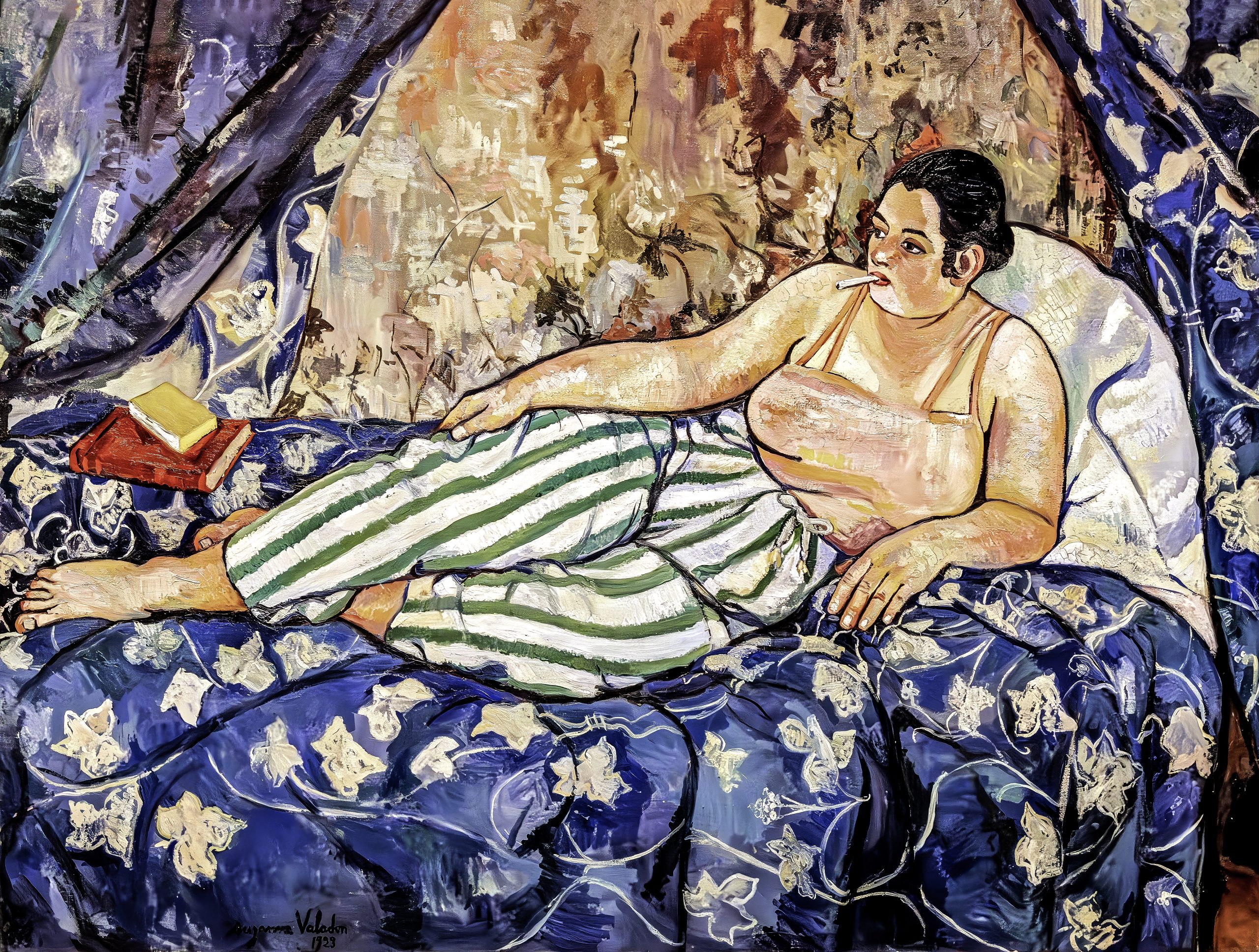
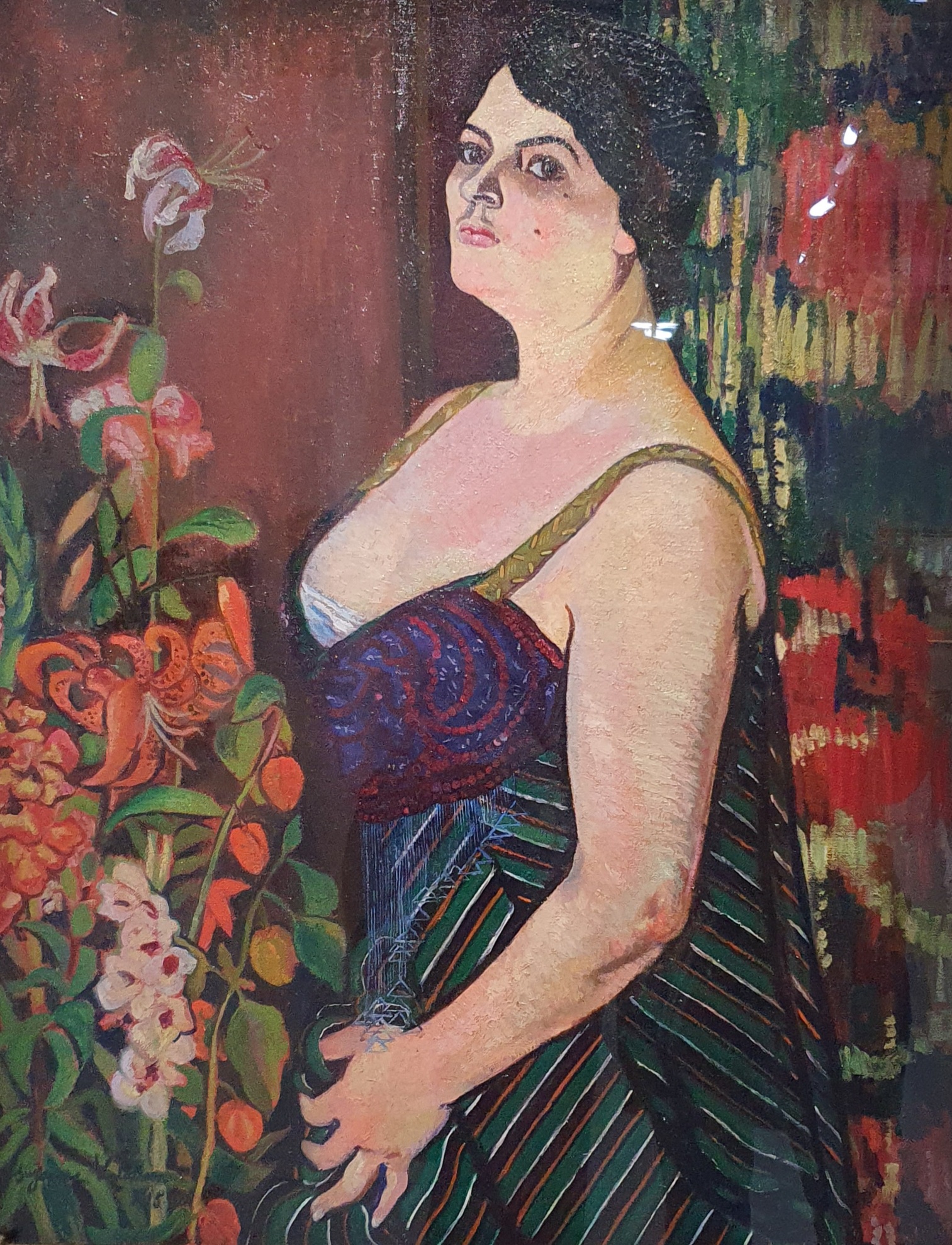
The viewer isn’t offered the typical male gaze; instead, we confront the subject’s interiority, her indifference («la chambre bleue»), her fatigue («Marie Coca et sa fille Gilberte») or pride («Portrait de Madame Coquiot»). This shift challenges the idea that visuals are only to please. Valadon’s modernity demand empathy, not admiration.
She reclaims the body as a site of experience, not decoration—a visual revolution in how women were seen and shown.
“Madame Coca et sa fille Gilberte” (1913)
“La chambre bleue” (1923)
“Portrait de Madame Coquiot” (1915)
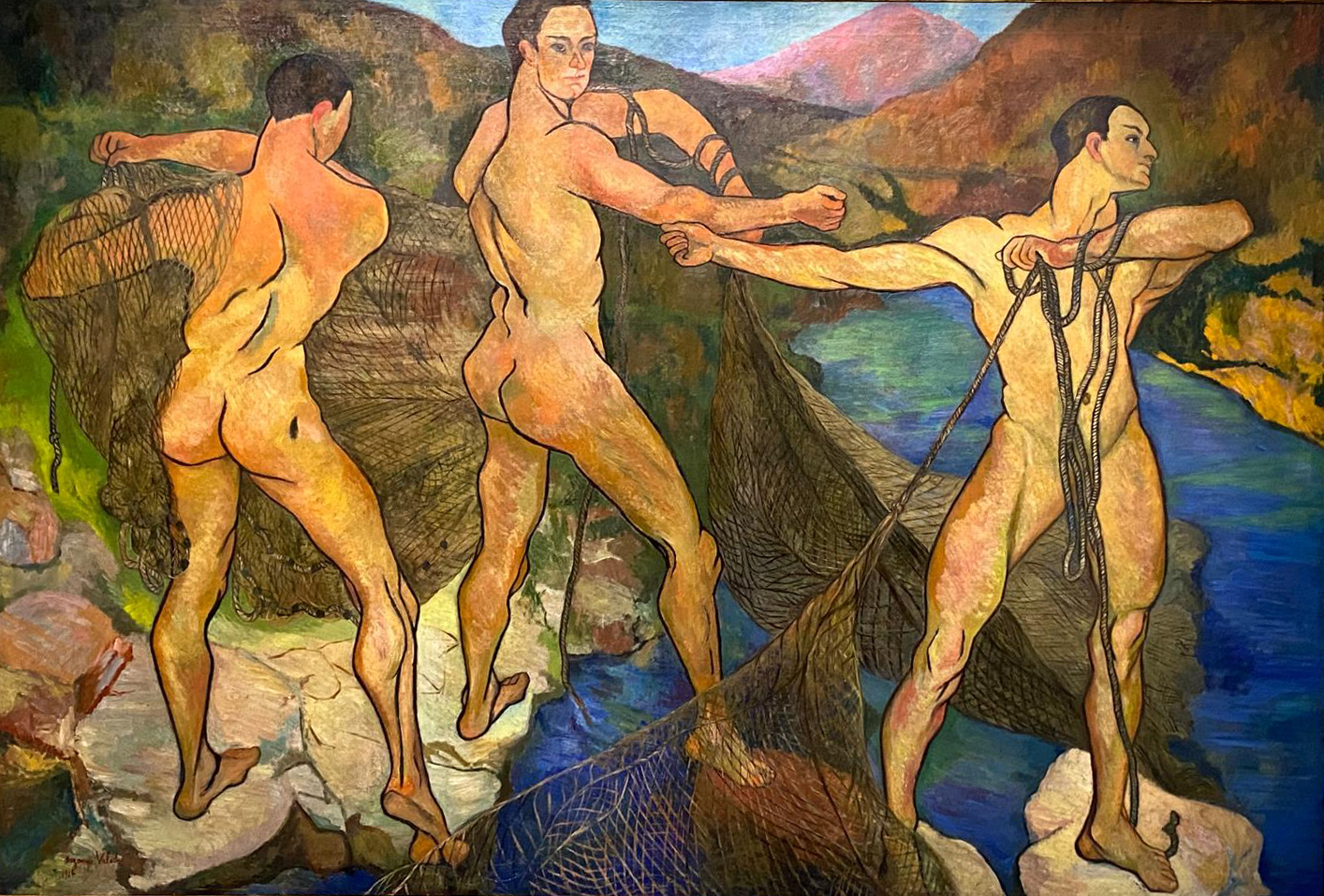
Valadon’s style was just as defiant as her subjects. Bold contour lines, deep earth tones, and expressive brushwork gave her paintings a visual honesty that matched their thematic one. She wasn’t concerned with being decorative—she was expressive.
Influenced by Post-Impressionism, but never fully contained by it, Valadon developed a visual grammar that was intimate, direct, and tactile. Her lines weren’t just boundaries; they were statements—outlining the physical presence of her subjects with confidence and clarity.
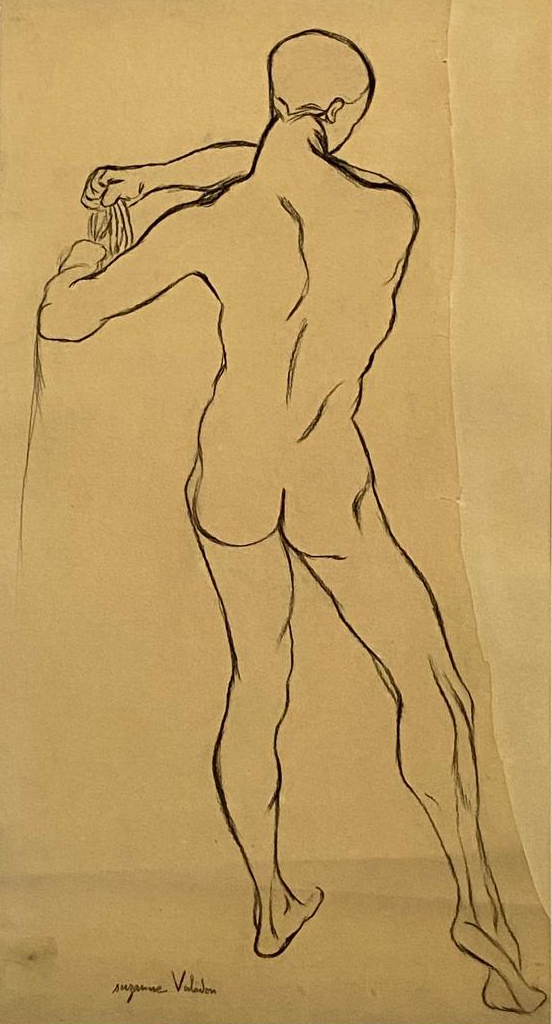
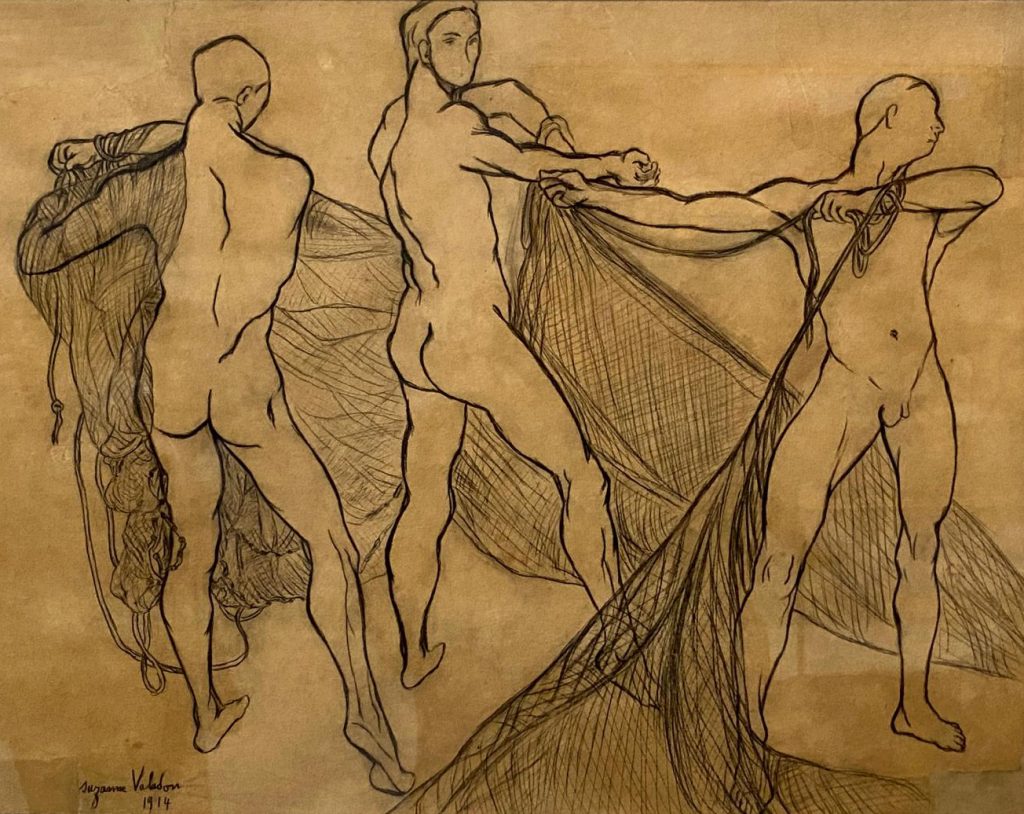
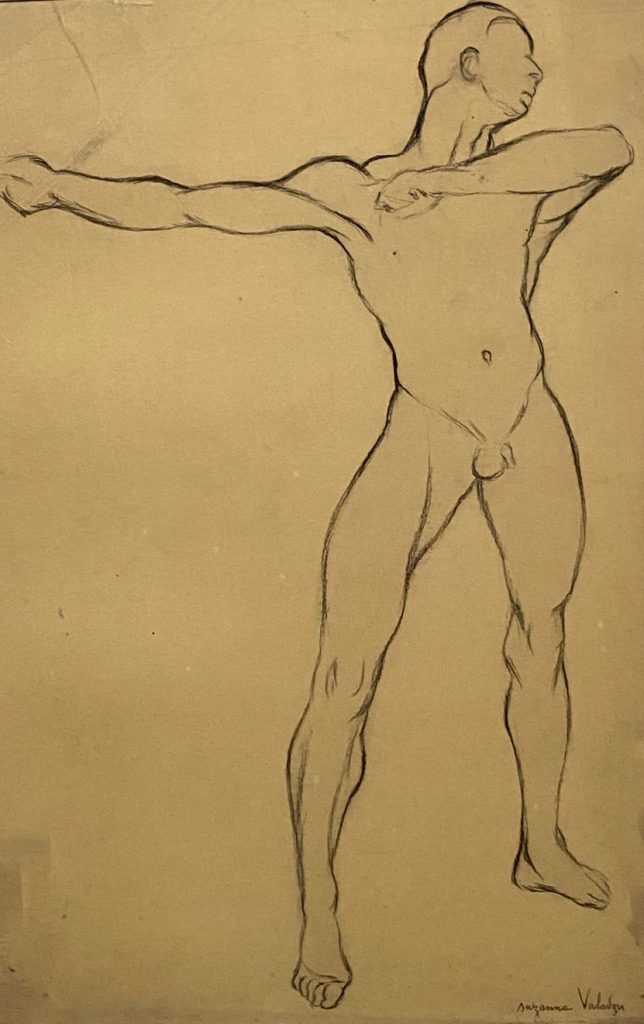
Le lancement du filet (1914)
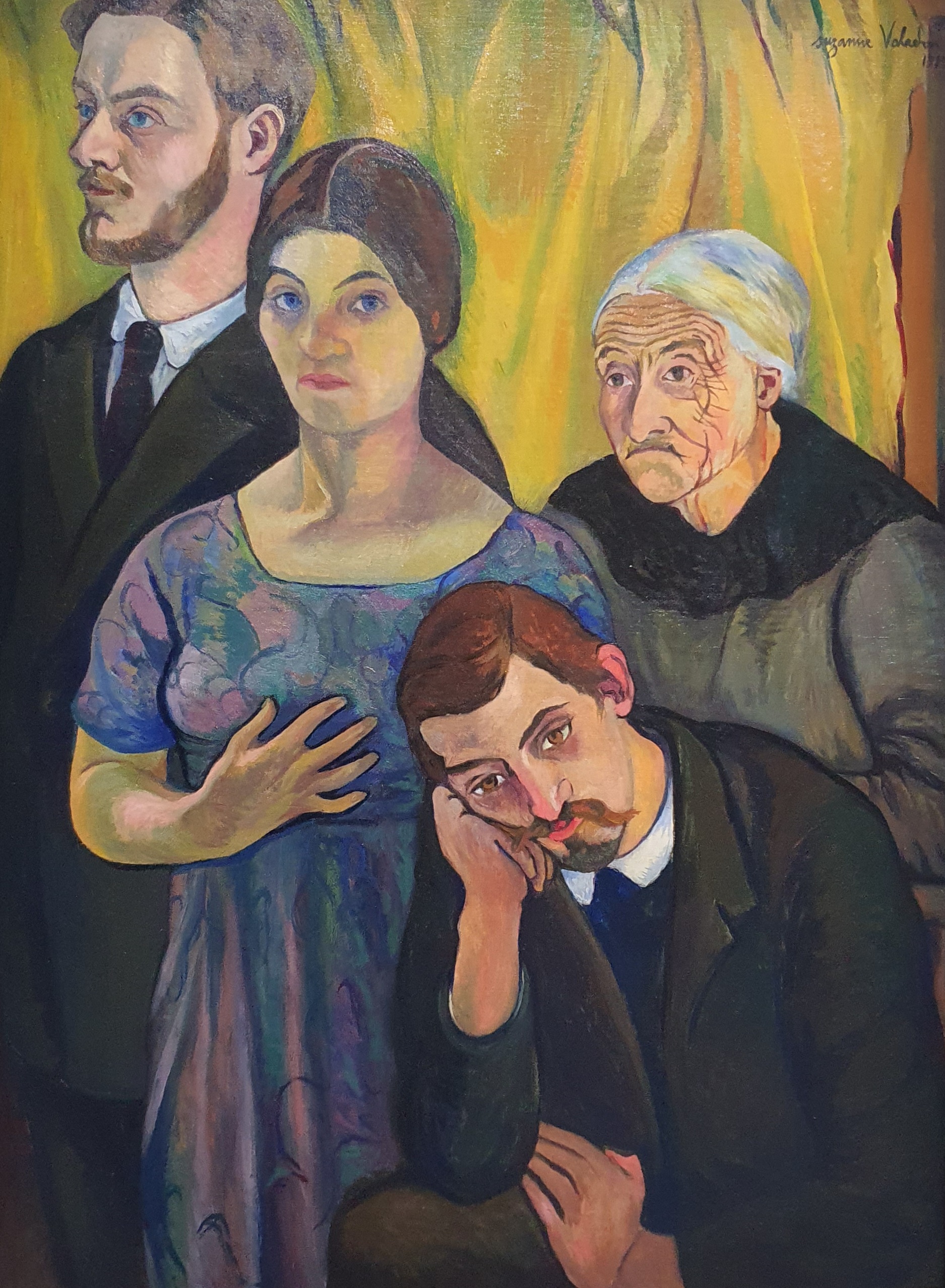
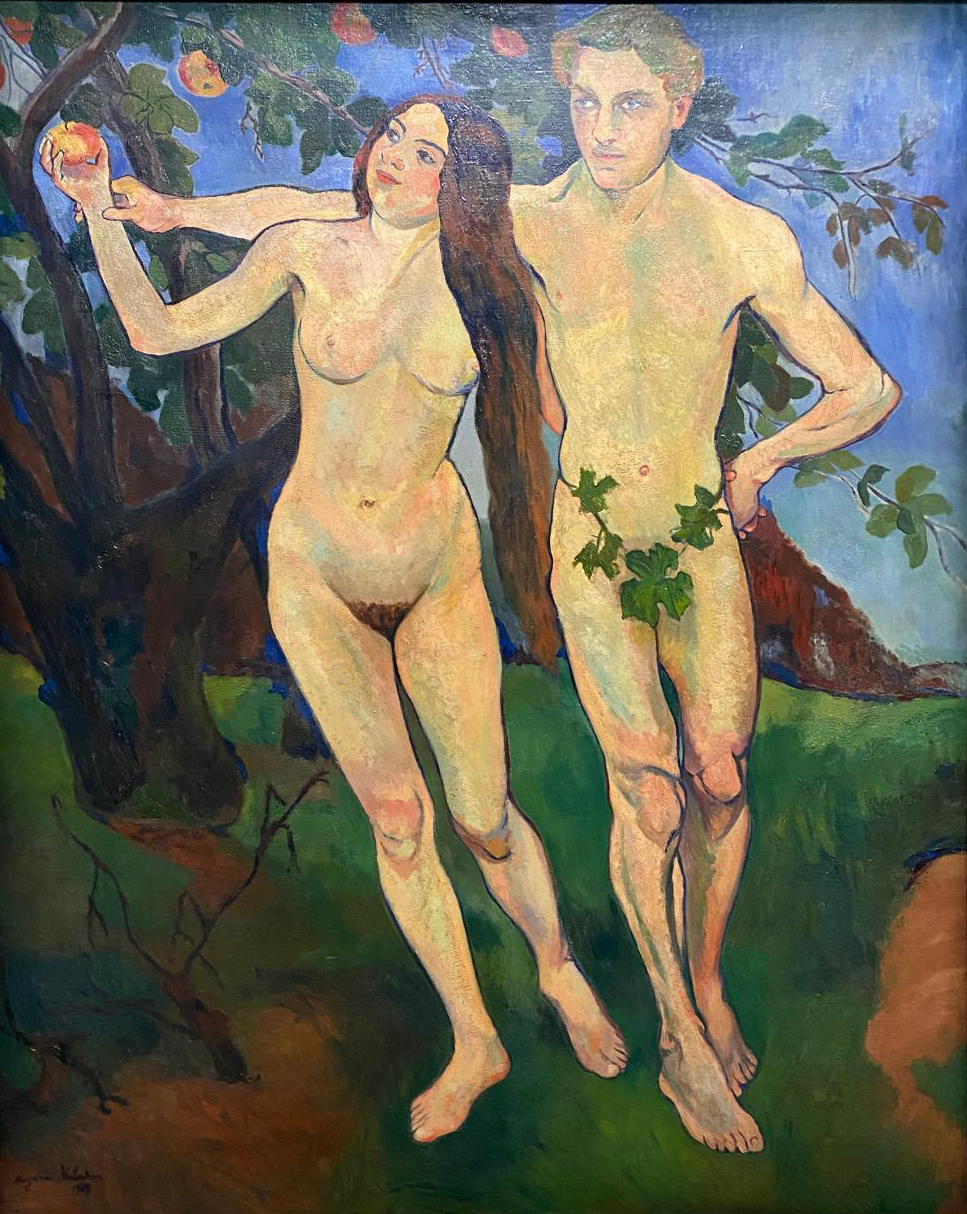
Her work was not devoided of symbolism, like the way she painted herself as a central italian Renaissance figure in «Autoportrait avec la famille», or the way she revisited «Adam et Eve» with Adam sharing with Eve the responsability of the original sin by touching Eve’s forearm while picking the apple (or forcing her to do so?).
Autoportrait avec la famille (1912)
Adam et Eve (1909)
Suzanne Valadon’s career defied norms at every turn. As a self-taught woman artist from a working-class background, she was dismissed by many institutions of her time. And yet, she continued—exhibiting at the Salon, selling her work, and building a life that mirrored the uncompromising truth of her art. The intervention of Edgar Degas was crucial to break the cultural boundary in the fine art society, and made her accepted amongst the reknowned painters of that time.
Suzanne Valadon’s art is a masterclass in visual storytelling. Her art speaks out her origins (from a working class background, to model and muse, to painter herself) as expressed by her subjects, and distilled an avant-garde female gaze during the early XXth century.
Today, her legacy is being rediscovered—not only for its artistic merit, but for its cultural significance. Valadon’s work shows how visuals can be a form of personal and political resistance—a means to assert presence, shape narrative, and reveal truth.
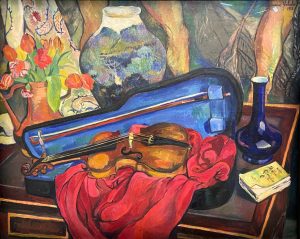
la boîte à violon (1923)
Pictures taken at the temporary exhibition Suzanne Valadon (15 Janvier – 26 Mai 2025, Centre Pompidou, Paris)
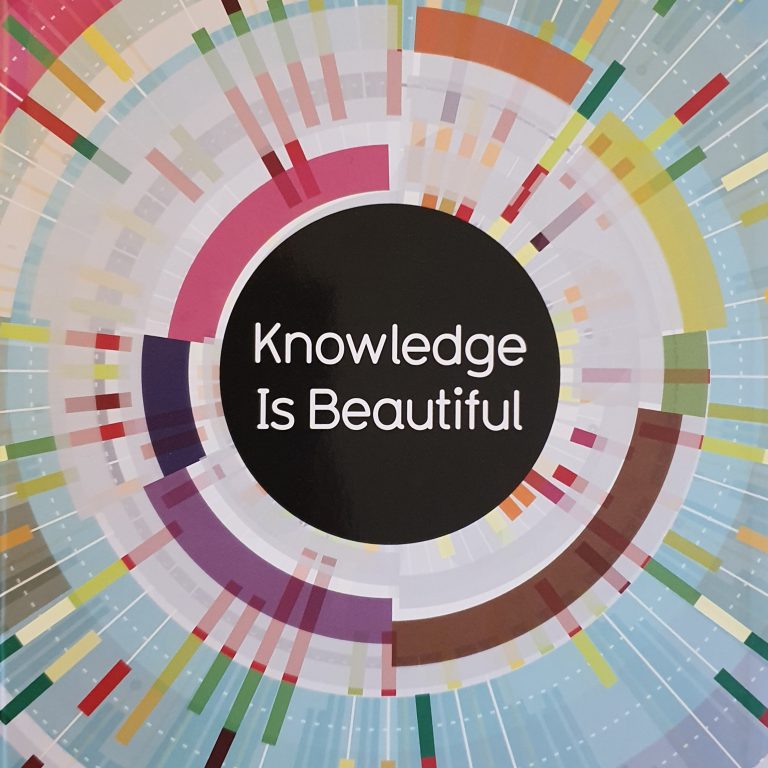
In the age of information overload, how do we make sense of the chaos? Enter David McCandless—data journalist, designer, and the mind behind Information is Beautiful. Mastering data visualisation, he conveys complex ideas, massive datasets, or global trends using a single chart or visual mapin, in ways that feel almost… effortless. But this isn’t just…